Junagadh, at the foot of Mount Girnar, is one of the oldest continuously inhabited places in Gujarat. Mauryan governors ruled from its citadel; Ashoka had his edicts cut into a boulder here in the third century BCE; and from the eighteenth century it was the seat of the Babi Nawabs, whose princely state included the Gir forest.
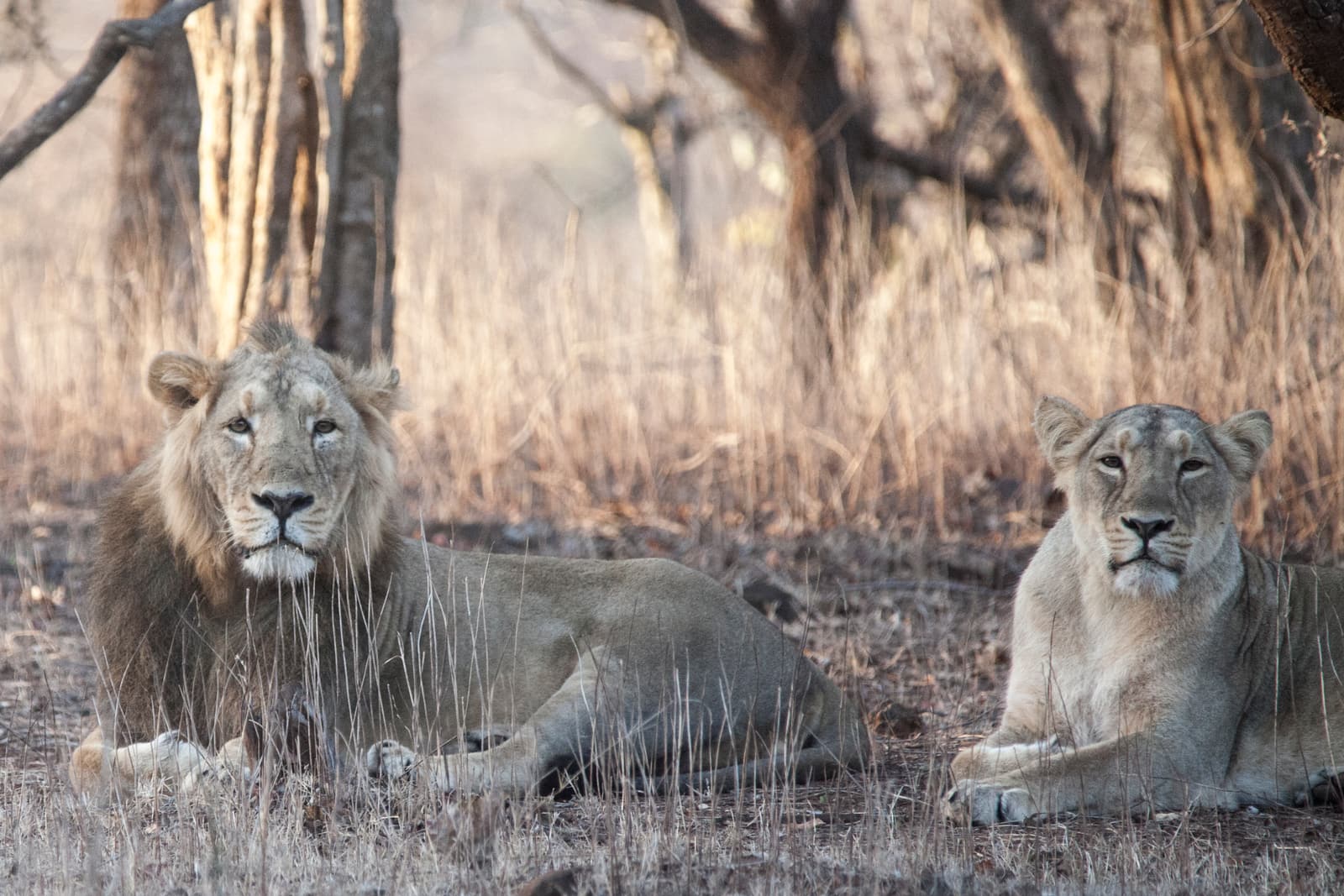
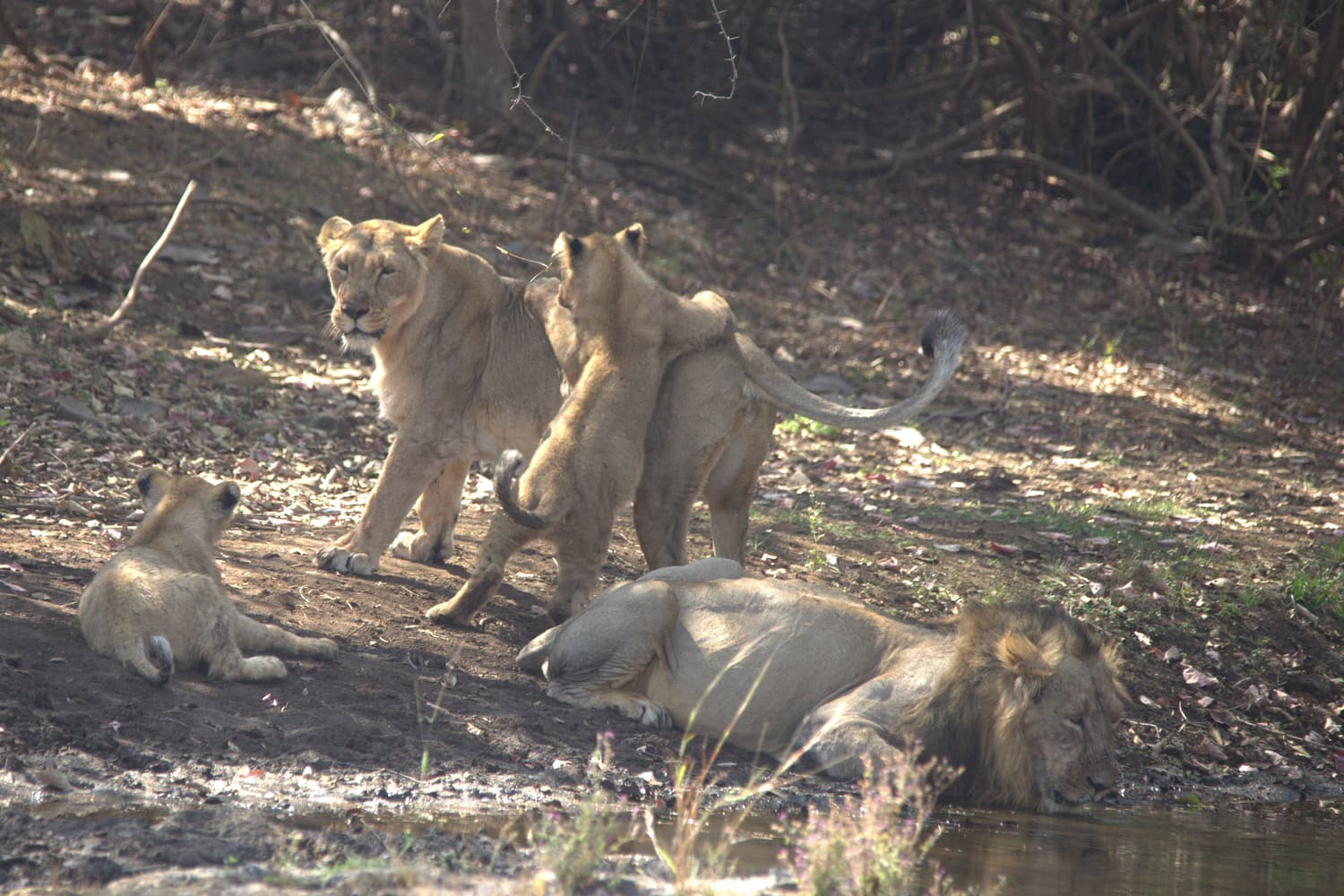
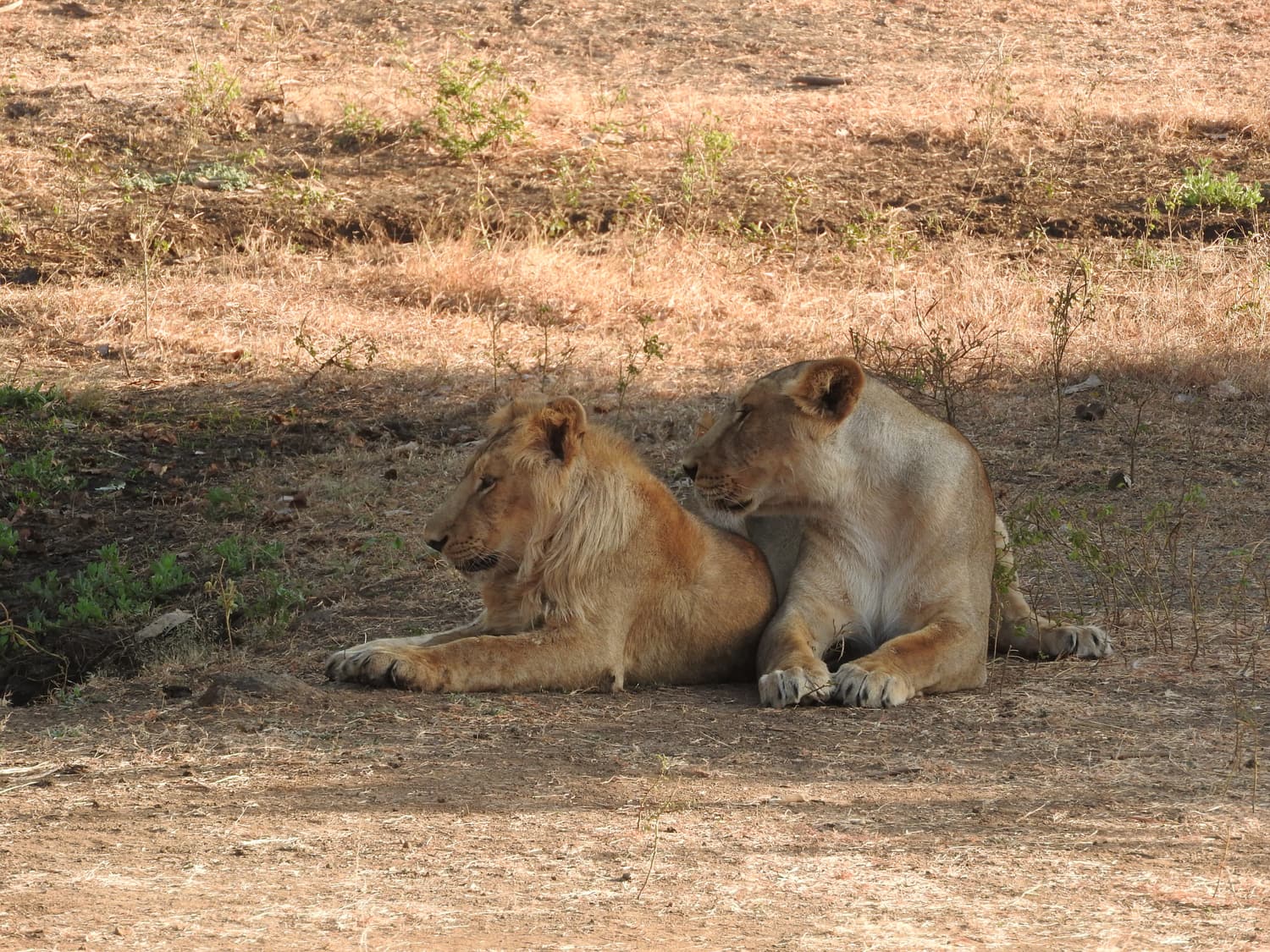
It is to those Nawabs that the lions owe their survival. Around the turn of the twentieth century, when hunting had reduced the Asiatic lion to a remnant in Gir — contemporary estimates, much debated since, ran from under twenty to a few dozen — the Nawabs of Junagadh, encouraged by the Viceroy Lord Curzon, placed the animals under protection and all but ended the shooting.
What to see and do at Junagadh
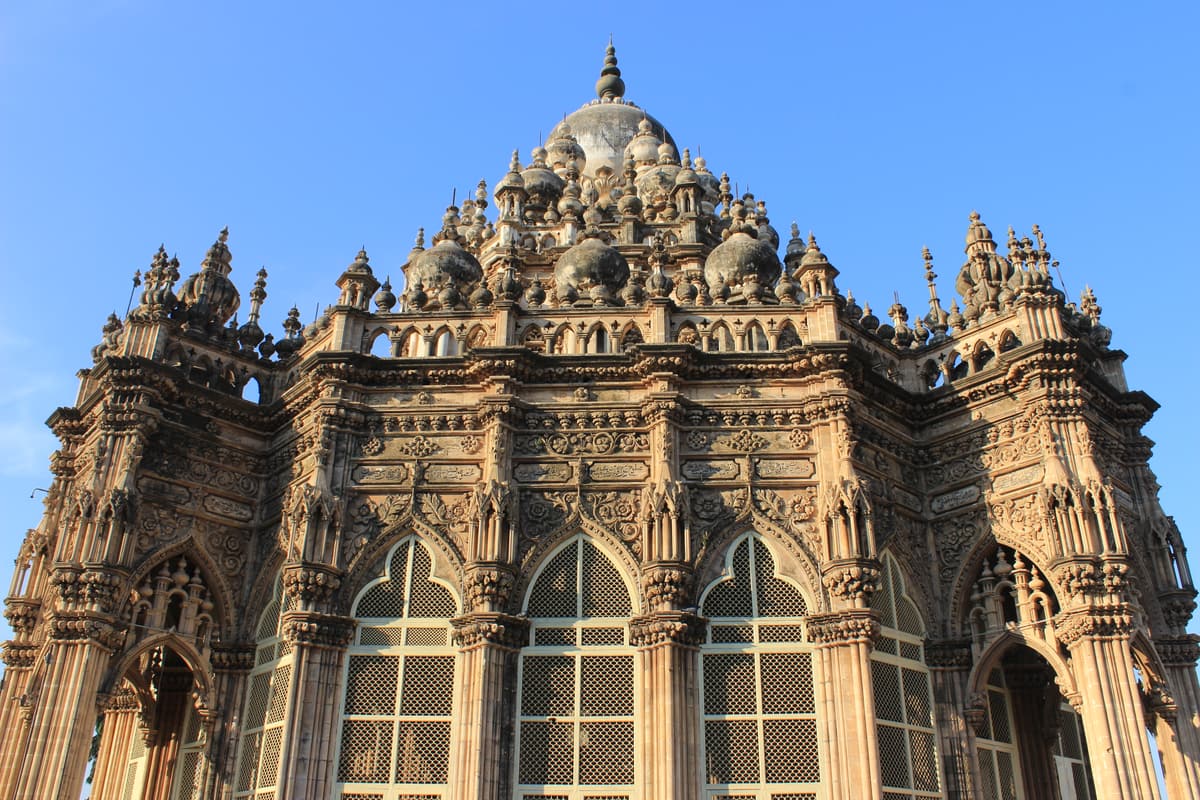
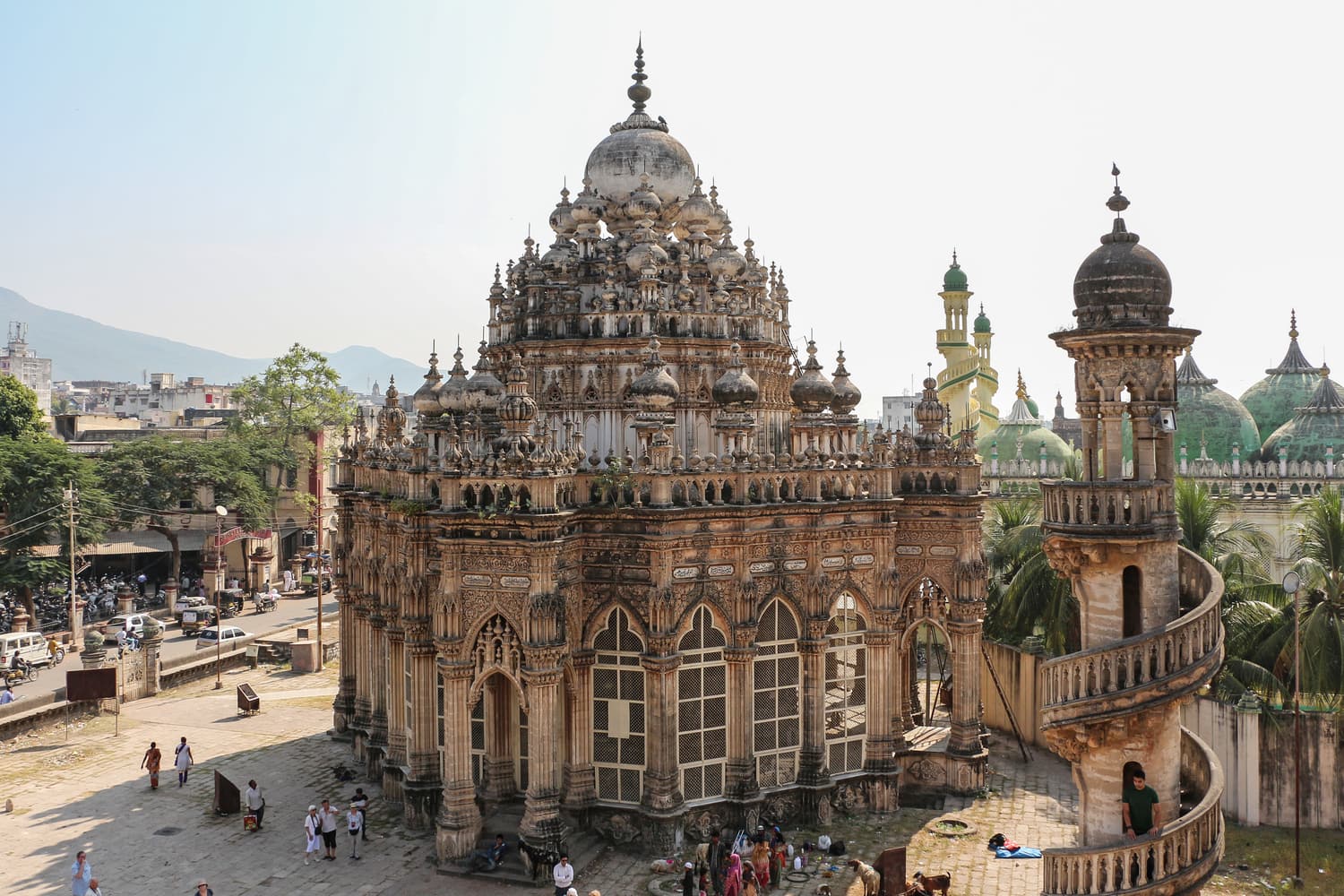
Marvel at the Mahabat Maqbara
A late-nineteenth-century mausoleum that mixes Indo-Islamic, Gothic and European motifs with abandon: bulbous domes, French windows, and, on the neighbouring tomb of the vizier Bahauddin, minarets wrapped in spiral staircases.
Explore Uparkot
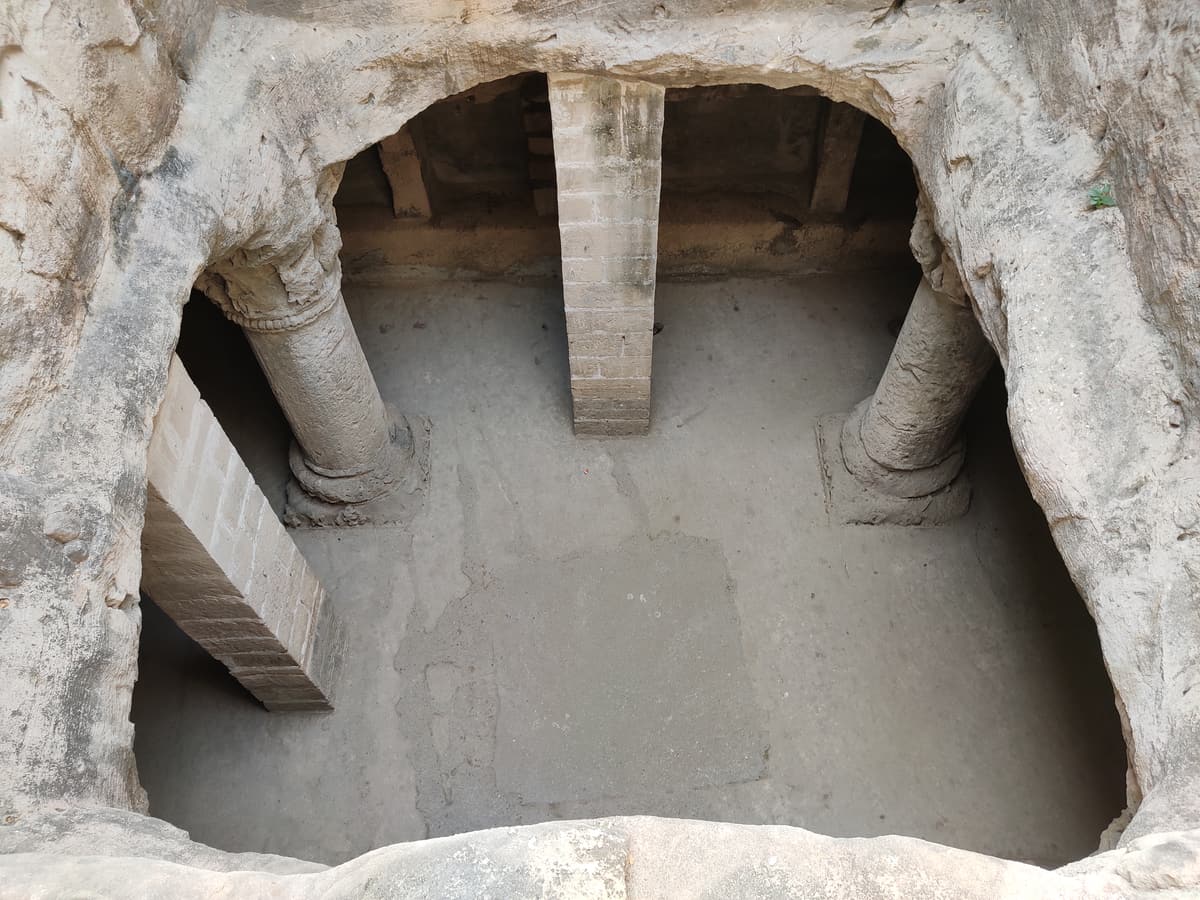
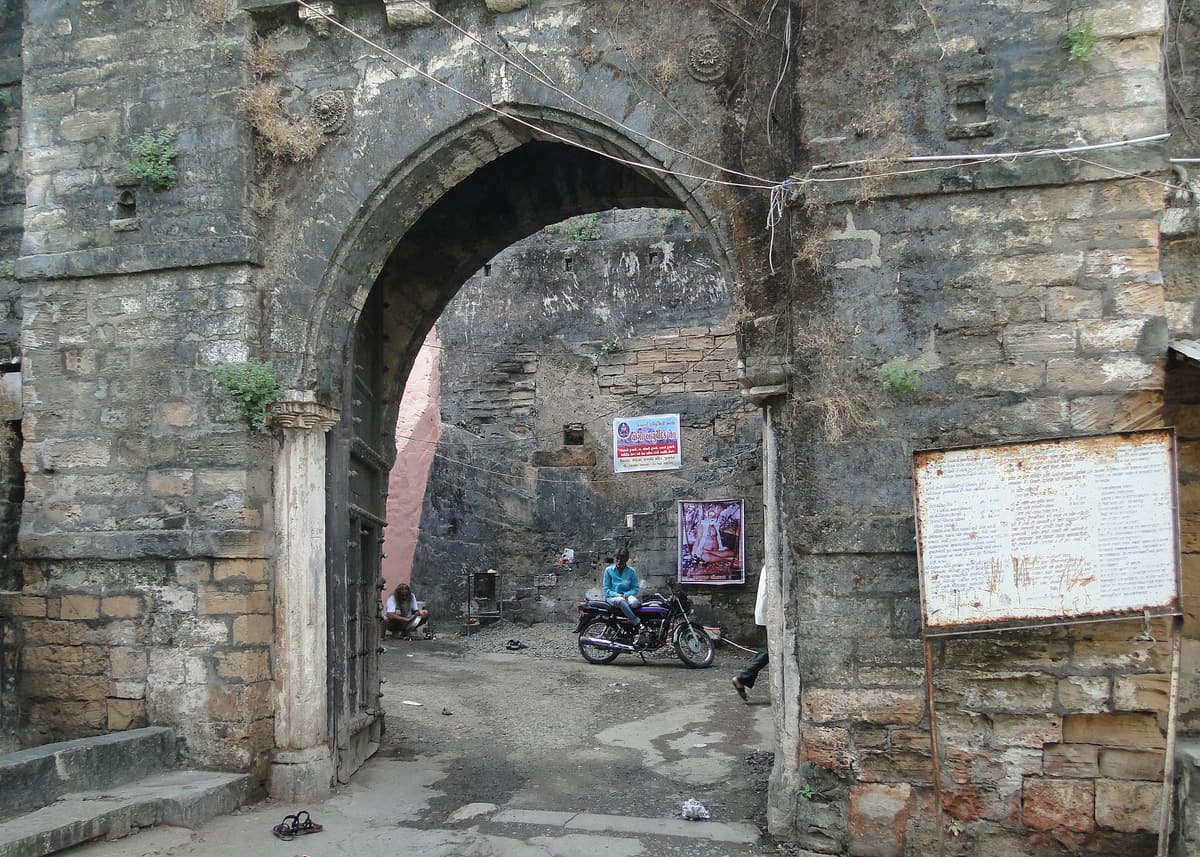
The ancient fort above the old town holds two remarkable rock-cut stepwells — Adi Kadi Vav and Navghan Kuvo — a group of Buddhist caves cut around the early centuries CE, old cannon and a mosque built within a former palace.
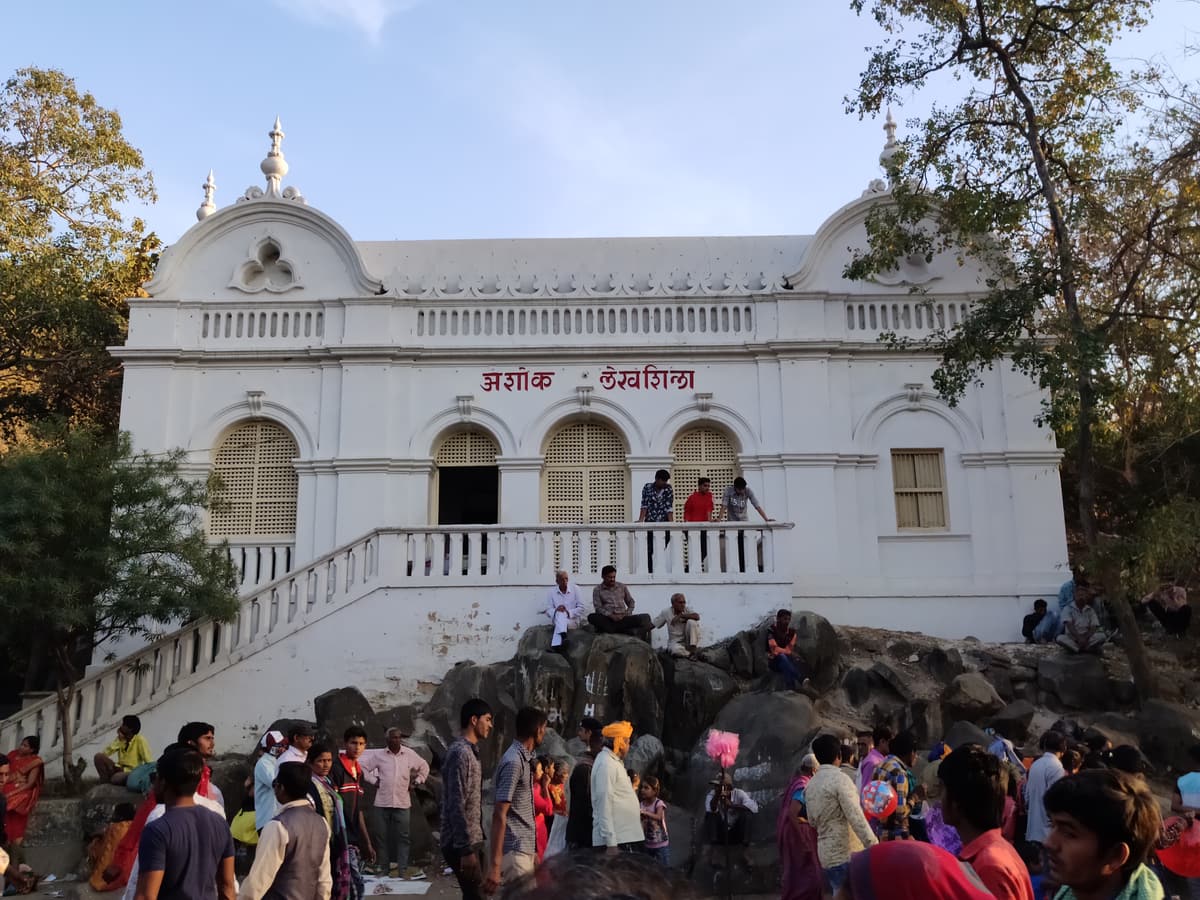
Read Ashoka’s edicts
On the road to Girnar, a boulder under a protective building bears fourteen edicts of the emperor Ashoka in Brahmi script, with later inscriptions of Rudradaman and Skandagupta beside them.
Visit Sakkarbaug Zoo
One of India’s oldest zoos, founded by the Nawabs in the 1860s, and central to the captive-breeding programme for Asiatic lions.
See the Durbar Hall Museum
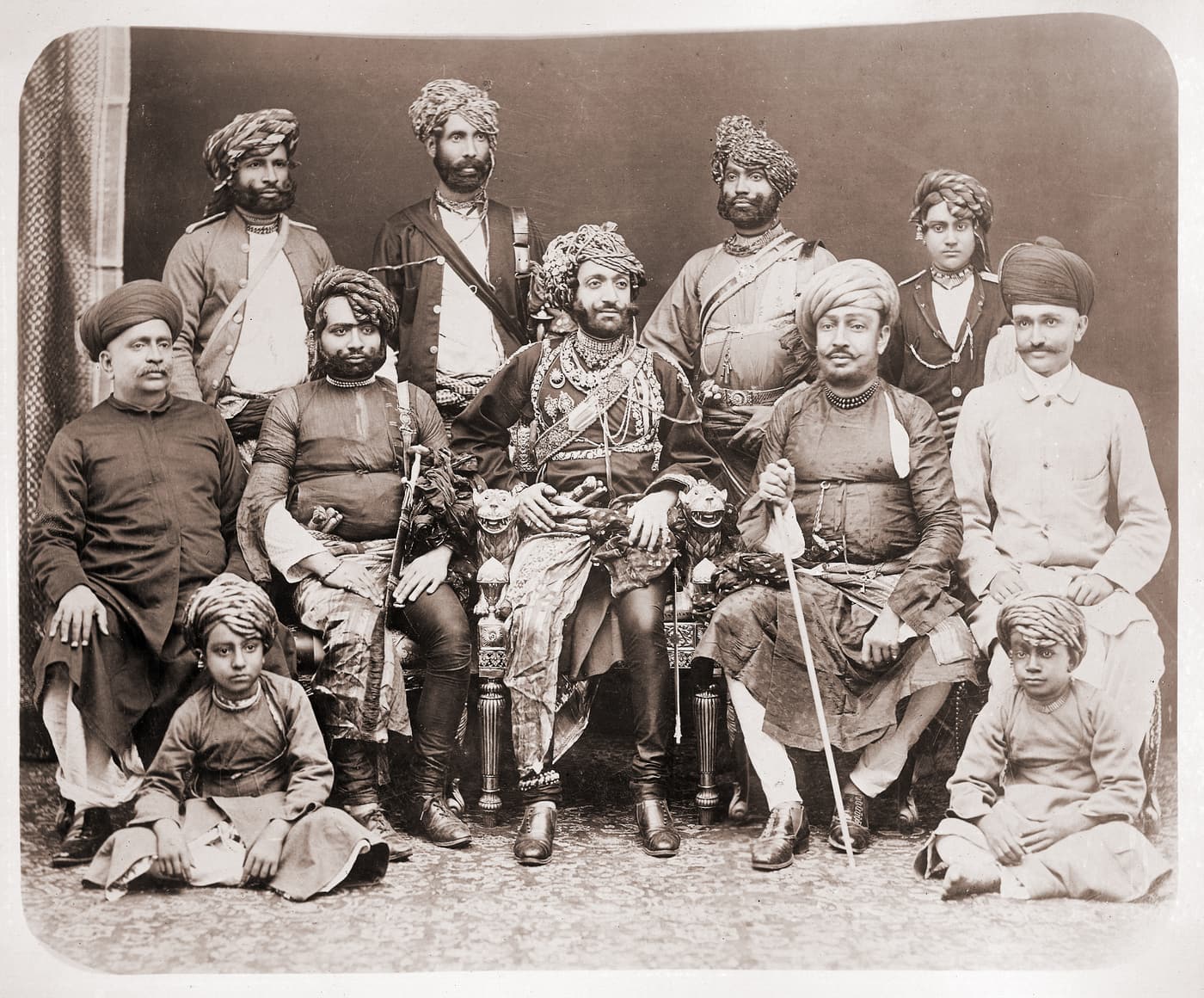
The Nawabs’ former audience hall displays their silver thrones, weapons, palanquins and portraits.
How to get to Junagadh
- Junagadh is about 55–65 km north of Sasan Gir, around an hour and a half by road through Mendarda. It is about 100 km from Rajkot.
- Junagadh Junction has trains from Ahmedabad and Rajkot, on the line that continues to Veraval. Keshod airport, about 40 km away, has had a limited and intermittent service.
Practical tips
- Do the city’s monuments on the day you arrive or leave by train, so you need not backtrack from Sasan.
- Uparkot is large and exposed — go early and carry water.
- An auto-rickshaw hired for half a day is the easiest way to link the sights.
- If you plan to climb Girnar, stay the night in Junagadh and start before dawn.
Best tours for Junagadh
These packages are the easiest way to see Junagadh with transport and a guide sorted:
 Private day trip from US$183
From Rajkot: Junagadh Private Day Trip with Guide & Entry
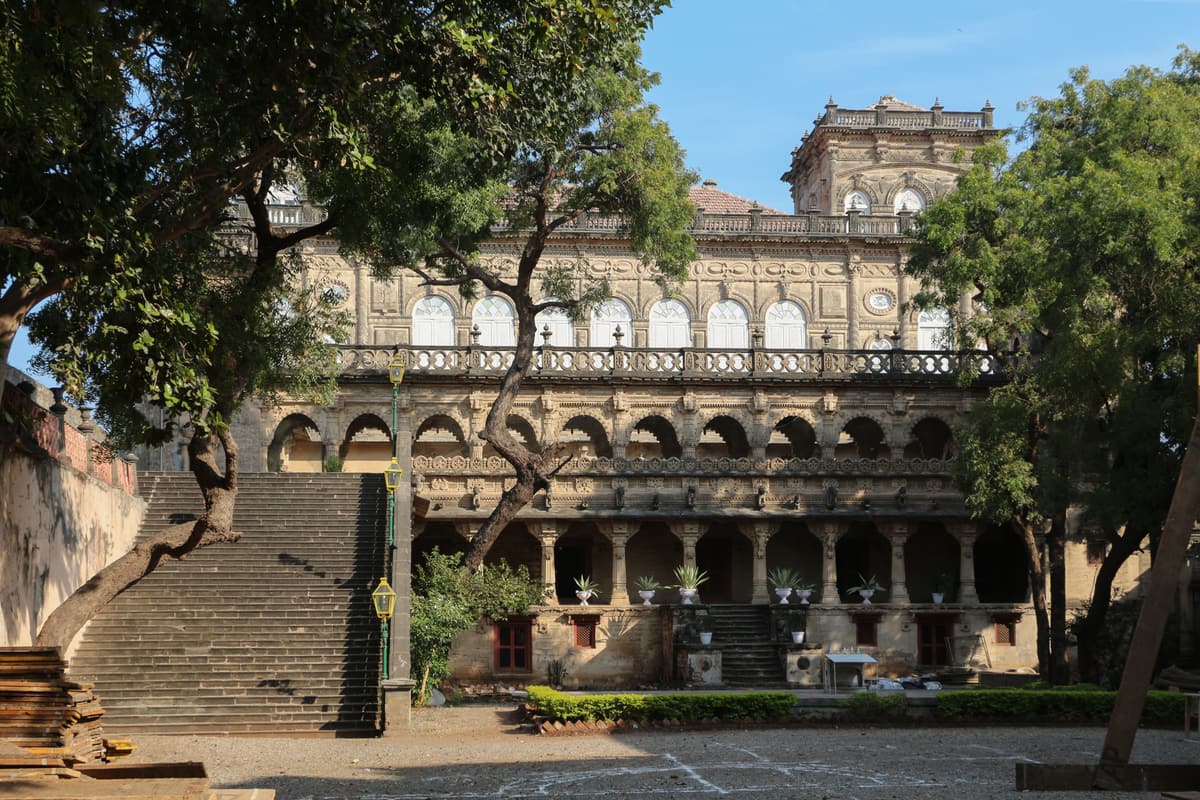
A full day in Junagadh with a guide, covering the fort, the mausoleum and the Nawabs’ museum, with entry fees included according to the listing. Unreviewed.
- The ancient Uparkot fort
- The Mahabat Maqbara
- The Durbar Hall Museum
 Private day trip from US$191
From Rajkot: Gondal, Junagadh & Girnar Hill Day Trip
A private day from Rajkot through the old princely town of Gondal to Junagadh and the foot of Girnar. It does not leave time for the full climb. No reviews yet.
- The Naulakha Palace in Gondal
- Uparkot fort in Junagadh
- Views of Girnar hill
 Private day trip from US$217
From Rajkot: Junagadh & Somnath Temple Private Day Trip
Junagadh’s most photogenic monument and the Somnath temple circuit combined in one private day from Rajkot. It covers a lot of ground quickly. No reviews yet.
- The Mahabat Maqbara in Junagadh
- Somnath temple, Bhalka Tirth and Triveni Sangam
- Private transport throughout
 Guided hike from US$83
Junagadh: Girnar Hills Guided Hike
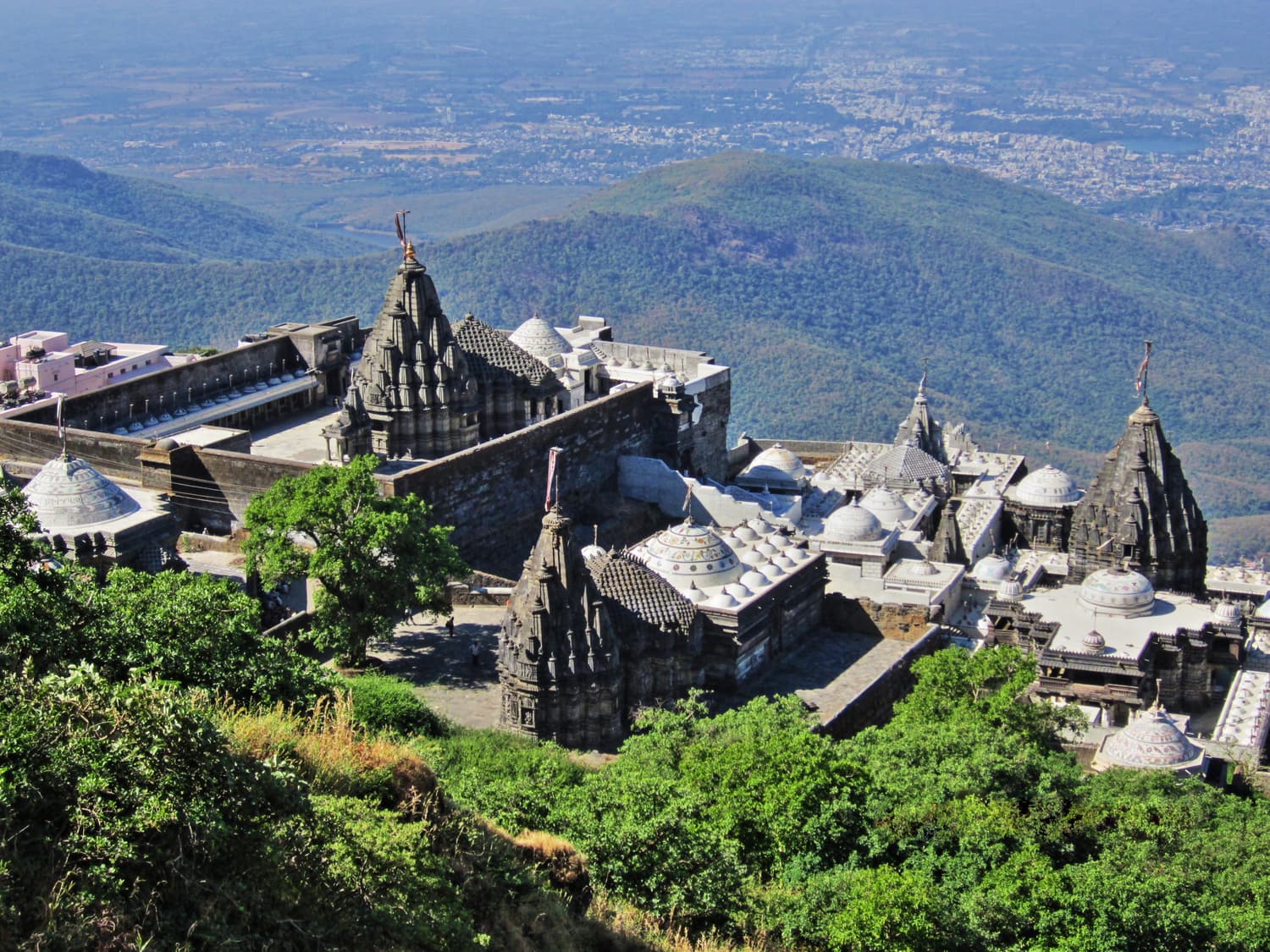
A guided ascent of Girnar’s pilgrim stairway as far as the Ambaji temple — a serious day on foot. Good shoes, water and an early start matter more than anything else. Unreviewed.
- The stone stairway up Girnar with a guide
- About 5,000 steps to the Ambaji temple
- Pilgrims, temples and wide views on the way